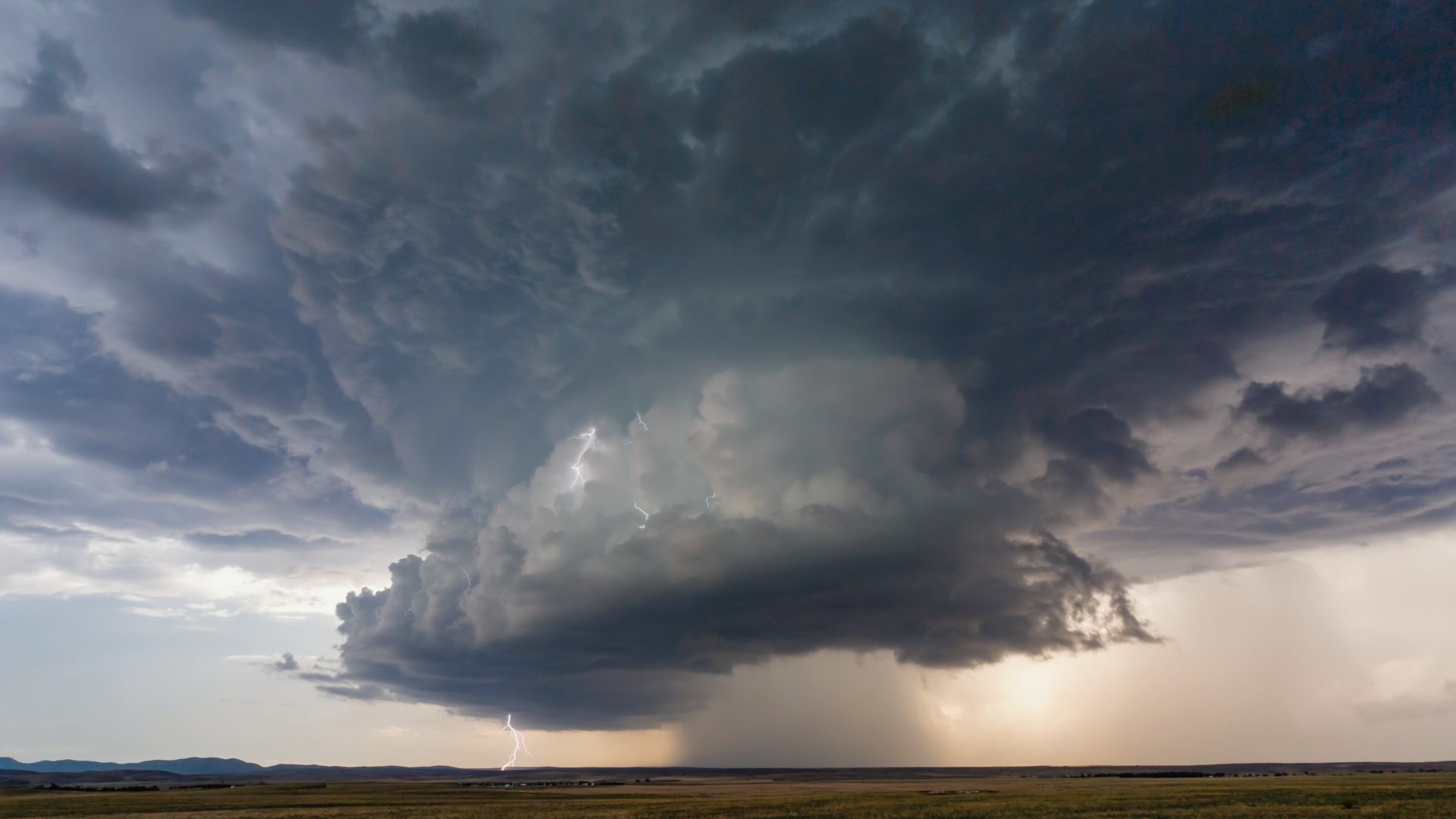
Louisiana ranks among the top five states for lightning density in the US. The Gulf Coast's combination of warm, moist air and frequent convective storms produces thousands of cloud-to-ground strikes every summer. A personal lightning detector gives you 15–30 minutes of warning before a storm reaches your location — time to get off the water, bring in the kids, or unplug sensitive electronics. A detector works best as part of a broader plan — pair it with the broadcasts in our Best NOAA Weather Radios 2026 roundup and the Best Emergency Weather Alert Systems.
How Lightning Detectors Work
Consumer lightning detectors use radio frequency (RF) sensors to pick up the electromagnetic pulse generated by each lightning discharge. An onboard processor analyzes the signal strength and waveform to estimate the distance to the strike. Most can detect strikes 25–40 miles away, with distance accuracy within a few miles. They cannot determine direction — only distance — so you know lightning is 10 miles away but not which compass direction.
Professional networks like Vaisala GLD360 and Earth Networks use triangulation from multiple sensors to provide exact strike locations. Some consumer products tap into these networks via app-based data rather than local RF detection.
Our Top Picks
1. AcuRite Atlas with Lightning Detection — Best Integrated ($220–$270)
The AcuRite Atlas is a full weather station that includes an AS3935 lightning sensor. During our research in Baton Rouge, it detected approaching cells at 15–20 miles and tracked them as they closed in. The console displays a lightning strike counter and last-strike distance. Alerts trigger automatically when strikes are detected within a configurable radius.
The advantage of an integrated approach is simplicity — one mount, one console, one app. The disadvantage is that if you already own a weather station, you are buying a complete duplicate system just for lightning detection. For someone setting up from scratch, though, the Atlas is an excellent all-in-one solution.
Pros
- Full weather station + lightning in one
- Reliable 20-mile detection range
- Console alerts for approaching storms
- Good value for complete package
Cons
- Overkill if you already have a station
- Lightning distance is approximate
- No direction indication
2. Ecowitt WH31L Lightning Sensor — Best Add-On ($35–$50)
If you already have an Ecowitt console or gateway, the WH31L adds lightning detection for under $50. It uses the same AS3935 chip as more expensive integrated systems and reports strike count, distance, and time-of-last-strike to your Ecowitt dashboard. Setup is plug-and-play — power it on and it appears on your console automatically.
At this price point, accuracy is approximate. We observed occasional false triggers from nearby electrical equipment and some missed strikes at the edge of its 25-mile range. But for a $40 add-on to an existing station, the value is hard to beat. Place it outdoors, away from metal structures and electrical wiring, for best performance.
Pros
- Under $50
- Easy add-on to Ecowitt systems
- Strike count and distance logging
- Battery-powered, wireless
Cons
- Requires Ecowitt console/gateway
- Occasional false positives
- Range limited to ~25 miles
3. Robic Strike Alert HD — Best Portable ($40–$55)
The Strike Alert HD is a handheld, battery-powered lightning detector designed for outdoor use. It detects strikes up to 40 miles away and uses colored LEDs to indicate distance ranges: green (far), yellow (approaching), and red (close/seek shelter). A loud alarm sounds when strikes enter the red zone.
This is the go-to device for coaches, outdoor workers, golfers, and boaters on the Gulf Coast. It fits in a pocket, runs on AAA batteries, and needs no Wi-Fi or phone connection. Detection is less precise than station-based sensors, but the visual/audio alert system is intuitive and effective in the field.
Pros
- Truly portable, pocket-sized
- No phone or Wi-Fi needed
- 40-mile detection range
- Intuitive LED color alerts
Cons
- No data logging or app
- Distance ranges are broad zones
- Can false-trigger near power lines
4. WeatherFlow Tempest — Best App-Based Lightning Maps
The WeatherFlow Tempest station includes a lightning sensor and, more importantly, network-level lightning mapping in the app. Because WeatherFlow aggregates data from thousands of Tempest stations, the app shows real-time lightning strike locations on a map, not just distance from your sensor. You can watch a storm cell develop and track its path toward your location.
The hardware itself has had mixed reviews for weather accuracy (especially rain measurement), but the lightning mapping feature is genuinely unique in the consumer space. If lightning tracking is your primary concern and you want the best visual experience, the Tempest is worth considering despite its other limitations ($330–$350).
App-Based Alternatives
If you do not want a dedicated detector, several apps provide real-time lightning data from professional networks:
- My Lightning Tracker (iOS/Android, free/$5): Maps real-time strikes using data from Blitzortung, a crowd-sourced lightning detection network. Configurable distance alerts. The best free lightning app available.
- WeatherBug Spark: Real-time lightning maps powered by Earth Networks' Total Lightning Network. Good for seeing both cloud-to-ground and in-cloud lightning.
- RadarScope ($10/year): Professional-grade radar app that includes lightning data overlay. The gold standard for severe weather enthusiasts.
Apps rely on your phone having cellular or Wi-Fi connectivity. A hardware detector works regardless of signal, which matters on a boat in the Gulf or at a rural property. Lightning also poses a serious risk to electronics in your home office setup, so pair a detector with quality surge protection for advance warning.
★ Recommended Reading & Gear
- When Lightning Strikes — Understanding probability, risk, and the science of lightning for weather enthusiasts
- The AMS Weather Book — Comprehensive guide to severe weather, storm formation, and atmospheric science
- APC Surge Protector Power Strip — Protect electronics from lightning-induced power surges with 4,320J protection ($25–$35)
Bottom Line
For home use with an existing Ecowitt station, the WH31L add-on ($35–$50) is the most cost-effective option. For outdoor activities, the Robic Strike Alert HD ($40–$55) is reliable and needs no phone. If you are buying a complete station, the AcuRite Atlas ($220–$270) bundles everything together. And for the best lightning visualization, pair any hardware with the free My Lightning Tracker app.
Frequently Asked Questions
Do personal lightning detectors actually work?
Yes, quality detectors like the AcuRite Atlas and Ecowitt WS90 can detect lightning strikes 15-25 miles away and estimate distance. They provide earlier warning than waiting for thunder, giving you time to seek shelter.
What is the best lightning detector for home use?
The AcuRite Atlas weather station includes the best integrated lightning detector we compared, detecting strikes from 15+ miles away. For standalone detection, the Ecowitt WS90 sensor suite includes lightning sensing with weather station integration.
How far away can a home lightning detector sense storms?
Consumer detectors typically sense lightning from 15-25 miles away with approximate distance estimation. Professional units can detect at 40+ miles. Detection range varies with storm intensity and local electromagnetic interference.
How do I reduce false alerts from my lightning detector?
Place the detector outdoors and away from metal structures, power lines, electric motors, and fluorescent lights. These sources generate electromagnetic interference that mimics lightning. Most detectors have a calibration period of a few days where they learn to filter local noise sources automatically.
Can a lightning detector tell me which direction a storm is coming from?
No. Consumer lightning detectors estimate distance only, not direction. They tell you lightning is 10 miles away but not whether it is north, south, east, or west. For directional tracking, pair a hardware detector with a lightning map app like My Lightning Tracker or WeatherBug Spark.
Explore More Reviews
- Best Kids Outdoor Toys 2026 on KidGearPro
- Best Air Purifiers for Home Office on DeskSetupPro
- Best Cooling Sheets for Summer on RestWell