Best Rain Gauges 2026: 7 Compared
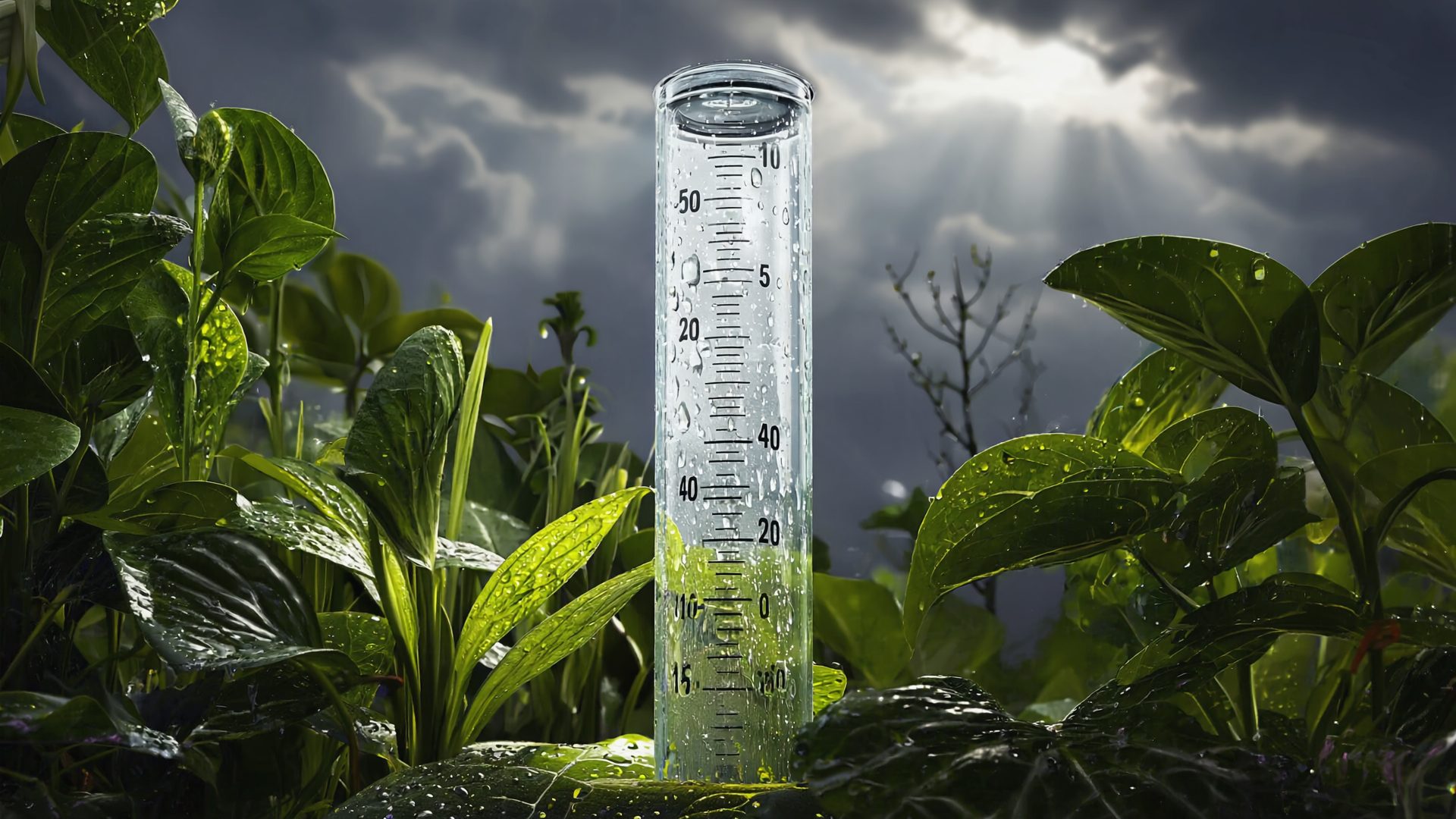
Rainfall measurement is one of the most important yet frequently inaccurate aspects of home weather monitoring. (If the sound of rain is more your thing than measuring it, check out the best white noise and sound machines for better sleep.) The rain gauge integrated into your weather station may be convenient, but a dedicated rain gauge consistently outperforms integrated units in accuracy. We compared seven rain gauges over four months of Gulf Coast spring storms to find the best options for every budget and use case. For related information, see our Best Lightning Detectors for Home Use — StormReady.
Our Top Picks
| Rain Gauge | Type | Resolution | Best For | Price |
|---|---|---|---|---|
| Stratus Precision | Manual | 0.01" | Best Overall Accuracy | ~$35 |
| AcuRite 00899 Wireless | Electronic | 0.01" | Best Wireless | ~$30 |
| Taylor Precision 2702N | Manual | 0.05" | Best Budget | ~$10 |
| Ecowitt WH40 | Electronic | 0.01" | Best Add-On | ~$20 |
| Netatmo Rain Gauge | Smart | 0.01" | Best Smart Home | ~$50 |
| Headwind 820-0188 | Manual | 0.25" | Most Readable | ~$15 |
| AcuRite Atlas (integrated) | Station | 0.01" | Full Station Bundle | ~$250 |
Understanding Rain Gauge Types
Before diving into individual reviews, it helps to understand the three main types of rain gauges available to home users.
Manual (Graduated Cylinder)
The simplest and most accurate type. A funnel collects rain into a graduated inner tube. You read the level manually, typically once per day. No batteries, no electronics, no data transmission. The trade-off is that you must remember to check and empty it daily, and you do not get timestamps for when rain occurred during the day.
Tipping-Bucket (Electronic)
A funnel directs rain into a small see-saw mechanism that tips each time a measured amount (usually 0.01 inches) accumulates. Each tip is counted electronically and transmitted wirelessly to an indoor display or weather station. The advantage is automatic recording with timestamps. The disadvantage is that very light rain may evaporate before triggering a tip, and heavy downpours can overwhelm the tipping mechanism momentarily.
Haptic (Ultrasonic)
Used by the WeatherFlow Tempest, this type detects individual raindrop impacts on a sensor surface. No funnel, no moving parts. Still relatively new and requires algorithmic calibration ("rain check") to match traditional gauges.
1. Best Overall: Stratus Precision Rain Gauge
The Stratus Precision Rain Gauge is the gold standard for manual rainfall measurement and the gauge used by the CoCoRaHS (Community Collaborative Rain, Hail and Snow) citizen science network. The design is elegant in its simplicity: a large outer cylinder with a smaller, graduated inner tube that magnifies readings for precision down to 0.01 inches.
The inner tube holds up to 1 inch of rainfall; overflow goes into the outer cylinder, which holds an additional 10 inches. After the inner tube fills, you empty it, then pour the outer cylinder contents into the inner tube to continue measuring. It sounds tedious, but the process takes about 30 seconds.
Why It Wins
- 0.01-inch resolution matches or exceeds electronic gauges
- No batteries, electronics, or wireless connectivity to fail
- Used by thousands of CoCoRaHS volunteers for NWS-accepted data
- Clear inner tube is easy to read even in low light
- Mounting bracket included for fence post or deck rail installation
Limitations
- Requires daily manual reading
- No timestamp data for when rain occurred
- Must be emptied after each reading
If you want the single most accurate rain measurement possible for under $40, this is it. Pair it with an electronic gauge if you also want automated recording and timestamps.
2. Best Wireless: AcuRite 00899
The AcuRite 00899 wireless rain gauge is a standalone tipping-bucket unit that transmits data to an included indoor display. At around $30, it is the most affordable way to get automated rainfall recording with wireless readout.
Setup is straightforward: place the outdoor collector unit in an open area, insert batteries in both units, and they pair automatically. The indoor display shows current rainfall rate, daily total, and accumulated totals for the week, month, and year. Data resets at midnight daily.
Performance Notes
Over our four-month test, the AcuRite wireless gauge tracked within 5% of the Stratus manual gauge for events over 0.25 inches. For very light rain (under 0.10 inches), it consistently underreported by 15-20%, which is typical of tipping-bucket gauges. The wireless range was reliable at about 200 feet with two walls between the units.
Pros
- Self-emptying (no manual emptying required)
- Indoor display with daily, weekly, monthly, and yearly totals
- Affordable at ~$30
- Easy setup with automatic sensor pairing
Cons
- Light rain underreporting is noticeable
- No Wi-Fi or app connectivity (indoor display only)
- Battery life is about 12 months (outdoor) and 18 months (indoor)
3. Best Budget: Taylor Precision 2702N
At under $10, the Taylor Precision 2702N is the cheapest rain gauge worth buying. It is a simple graduated cylinder with bold markings in both inches and centimeters. Resolution is 0.05 inches, which is less precise than the Stratus but adequate for general gardening and casual rainfall tracking.
The gauge includes a mounting bracket and holds up to 5 inches of rainfall. The plastic is transparent and UV-resistant, though after a year of sun exposure, you may notice some yellowing that makes readings harder to see. Replacing it annually at this price is not unreasonable.
This is the gauge we recommend for anyone who just wants a basic answer to "how much did it rain last night?" without worrying about 0.01-inch precision.
4. Best Add-On: Ecowitt WH40
The Ecowitt WH40 is a standalone wireless tipping-bucket rain gauge that integrates with Ecowitt and Ambient Weather consoles. If you already own an Ambient Weather or Ecowitt weather station and want a second rain gauge for a different location (or a more accurate standalone gauge placed in a better location than your station), the WH40 is the most cost-effective option at about $20.
It communicates on the 915 MHz frequency used by Ecowitt/Ambient sensors and appears as an additional channel on your existing console. The funnel diameter is larger than what is found on most integrated weather station rain gauges, which improves accuracy during light rain events.
5. Best Smart Home: Netatmo Rain Gauge
The Netatmo Rain Gauge is designed as an add-on to the Netatmo Weather Station, but it can also function with just the Netatmo app and a base station. The key differentiator is its tight integration with Apple HomeKit, IFTTT, and other smart-home platforms.
With the Netatmo rain gauge, you can create automations like: if rainfall exceeds 0.5 inches in the last hour, send a push notification and close the smart garage door. Or: if no rain in the last 7 days, trigger the irrigation system. This level of home automation integration is unmatched by any other standalone rain gauge.
Pros
- Apple HomeKit, IFTTT, and Alexa integration
- Sleek, modern design
- Historical data with beautiful app graphs
- Automation triggers based on rainfall
Cons
- Requires Netatmo Weather Station base unit to function
- More expensive than comparable standalone gauges
- Battery powered (AAA), 1-year battery life
6. Most Readable: Headwind 820-0188
The Headwind 820-0188 EZRead rain gauge has a 6-inch diameter and massive, bold markings that can be read from 20 feet away. It is not the most precise (0.25-inch resolution), but it is the easiest to read without bending down or squinting. This makes it an excellent choice for older users or anyone who wants a quick, at-a-glance rainfall reference visible from a window.
The capacity is 5 inches, which is sufficient for most rainfall events. The wide funnel also reduces the impact of placement imperfections, as wind-driven rain is less likely to miss a 6-inch opening than a 2-inch one.
7. Full Station Option: AcuRite Atlas
If you do not have a weather station at all, the AcuRite Atlas bundles a rain gauge with a complete weather station including wind, temperature, humidity, UV, and lightning detection. The integrated rain gauge uses a tipping-bucket mechanism with 0.01-inch resolution. While it will not match a dedicated Stratus gauge for accuracy, it provides automated recording alongside all your other weather data.
The Atlas is the most practical choice if you want rainfall data along with other weather metrics without buying separate devices. See our best weather stations roundup for a full comparison.
Placement Guide: Getting Accurate Readings
Even the most expensive rain gauge will produce inaccurate data if placed poorly. Follow these guidelines:
The 2x Rule
Your rain gauge should be at least twice as far from any obstacle as that obstacle is tall. A 10-foot fence means the gauge should be at least 20 feet from the fence. Obstacles create turbulence that deflects rain away from the gauge.
Height
Mount the gauge 2-4 feet above ground level. Too low and splash from hard surfaces will add false rainfall. Too high and wind effects increase. The CoCoRaHS network recommends placing the gauge at a height where the funnel opening is about 3 feet above the surrounding surface.
Surface
Place over grass or soft ground, not concrete or gravel. Hard surfaces cause rain to splash upward into the gauge, inflating readings by 5-10%.
Level
The gauge must be perfectly level. Even a slight tilt causes the funnel to collect more rain on one side and less on the other, degrading accuracy. Use a small bubble level to verify during installation.
Manual vs. Electronic: Which Do You Need?
For maximum accuracy on a budget, get a manual gauge like the Stratus Precision. For automated recording and remote monitoring, get an electronic gauge like the AcuRite 00899. For the best of both worlds, use both: the manual gauge as your accuracy reference and the electronic gauge for continuous recording.
Many CoCoRaHS volunteers use exactly this approach: a Stratus gauge for their official daily report and an electronic gauge to know when rain started and stopped during the day. The two complement each other perfectly.
Final Recommendations
- Best Overall: Stratus Precision - unbeatable accuracy for the price
- Best Wireless: AcuRite 00899 - affordable automated recording
- Best Budget: Taylor 2702N - gets the job done for under $10
- Best Smart Home: Netatmo - HomeKit and IFTTT automation
★ Recommended Reading & Gear
- Rainwater Harvesting for Drylands and Beyond — Master rainwater collection and understand precipitation patterns on your property
- Stratus Precision Rain Gauge — The CoCoRaHS standard for accurate manual rainfall measurement ($30–$40)
- Precision Bubble Level — Essential for leveling your rain gauge during installation ($5–$10)
Frequently Asked Questions
What is the most accurate type of rain gauge?
For home use, a manual cylindrical rain gauge with a graduated inner tube (like the Stratus Precision or CoCoRaHS gauge) is the most accurate, typically reading within 0.01 inches. Electronic tipping-bucket gauges trade some accuracy for automatic recording and wireless data transmission.
Where should I place my rain gauge?
Place your rain gauge in an open area away from buildings, trees, and fences. The rule of thumb is that the gauge should be at least twice as far from any obstacle as the obstacle is tall. Mount it 2-4 feet above ground on a level surface. Avoid areas where wind turbulence or splash from hard surfaces could affect readings.
How often should I empty a manual rain gauge?
Empty and read your manual rain gauge once every 24 hours at the same time each day, ideally in the morning. If you're participating in CoCoRaHS, the standard observation time is 7:00 AM local time. During heavy rain events, you may need to check more frequently to prevent overflow.
Can I use a rain gauge in freezing weather?
Standard rain gauges can crack if water freezes inside them. For winter use, choose a gauge rated for freezing temperatures, or use a manual gauge with a wide funnel and bring it indoors to melt the contents before measuring. Some electronic gauges have heated funnels for winter use, though these are typically found only in professional stations.
What is the difference between a tipping-bucket and manual rain gauge?
A manual rain gauge collects water in a graduated cylinder that you read and empty by hand, offering the highest accuracy. A tipping-bucket gauge automatically records each 0.01-inch increment as water tips a small seesaw mechanism, providing timestamps and wireless data transmission but slightly lower accuracy during very heavy or very light rainfall.
Explore More Reviews
- Best Kids Outdoor Toys 2026 on KidGearPro
- Best Air Purifiers for Home Office on DeskSetupPro
- Best Cooling Sheets for Summer on RestWell