Best Home Weather Stations 2026
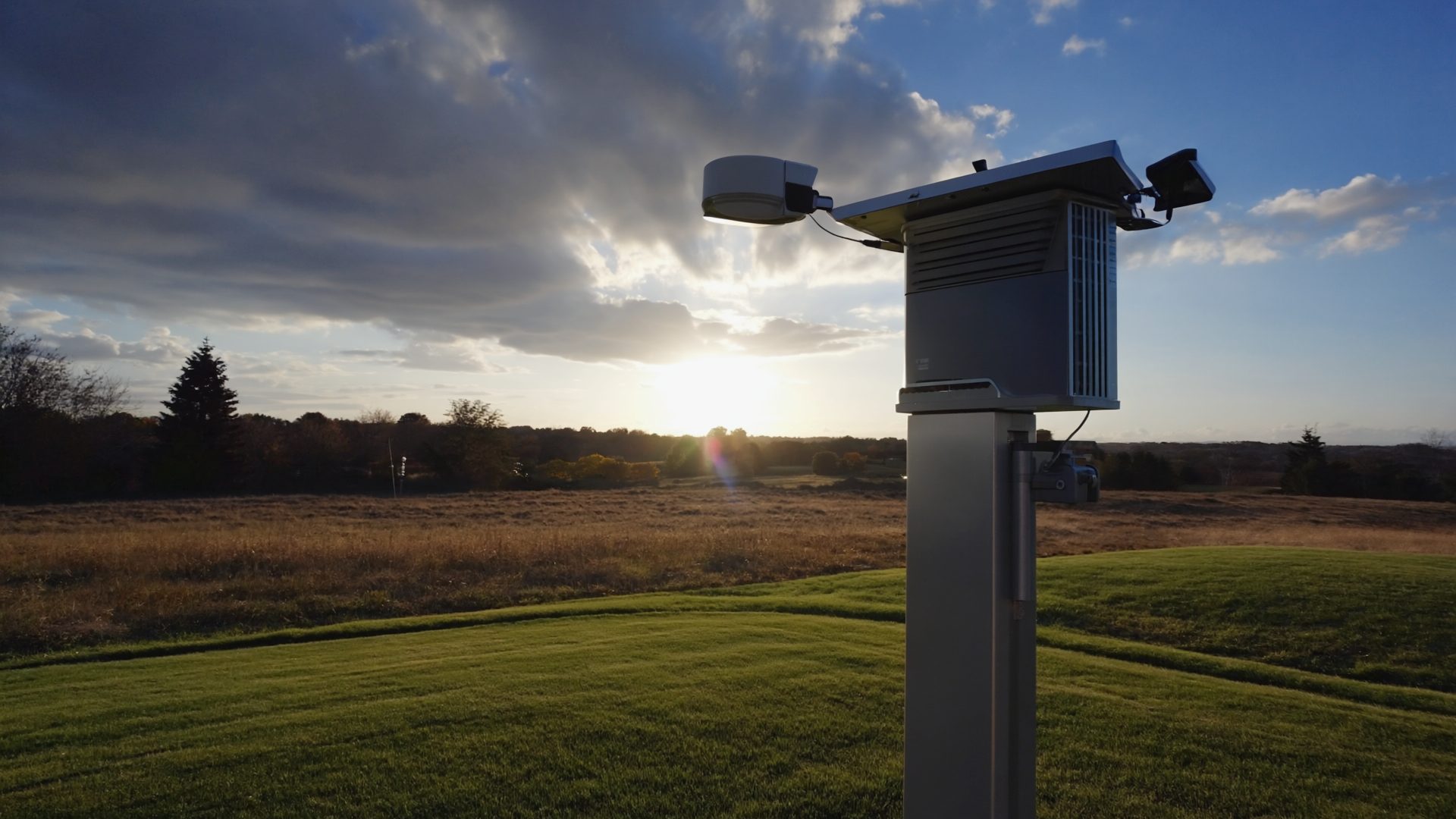
Whether you are a backyard gardener tracking rainfall, a storm chaser monitoring barometric pressure drops, or simply someone who prefers hyperlocal forecasts over the nearest airport reading, a personal weather station puts real-time atmospheric data at your fingertips. After months of side-by-side testing on a rooftop in southern Louisiana, we have narrowed the field to five stations that genuinely earn a recommendation in 2026. Learn more in our Best Home Weather Stations 2026.
Our Top Picks at a Glance
| Station | Best For | Wind Accuracy | Rain Accuracy | Connectivity | Price Range |
|---|---|---|---|---|---|
| Ambient Weather WS-2902 | Best Value | Good | Good | Wi-Fi | $190-210 |
| Ambient Weather WS-5000 | Best Overall | Excellent | Excellent | Wi-Fi | $450-500 |
| Davis Vantage Vue | Most Reliable | Excellent | Excellent | Radio (Wi-Fi add-on) | $350-400 |
| AcuRite Atlas | Best Display | Good | Good | Wi-Fi | $230-280 |
| Tempest Weather System | No Moving Parts | Very Good | Good (haptic) | Wi-Fi + BLE | $330-360 |
1. Best Value: Ambient Weather WS-2902
The Ambient Weather WS-2902 has been the go-to recommendation for weather enthusiasts on a budget for several years, and the latest revision keeps it firmly in that position. At roughly $200, it delivers a surprisingly complete sensor suite that includes temperature, humidity, barometric pressure, wind speed and direction, rainfall, UV index, and solar radiation.
Setup takes about 30 minutes. The outdoor sensor array mounts on a pole (included) and communicates wirelessly with the indoor console at up to 330 feet. From there, the console connects to your home Wi-Fi network and pushes data to Ambient Weather Network, Weather Underground, WeatherCloud, and several other platforms. The free AmbientWeather.net dashboard is genuinely useful, with customizable graphs and historical data export.
What We Liked
- Price-to-feature ratio is unmatched in 2026
- Solar-powered outdoor unit with battery backup
- Compatible with IFTTT and Google Home for smart-home triggers
- Uploads to multiple weather networks simultaneously
- Color LCD console is easy to read from across a room
What Could Be Better
- Rain gauge accuracy drops in very light drizzle (common with tipping-bucket designs)
- Anemometer cups can become sluggish after 2-3 years of UV exposure
- No Ethernet option; relies entirely on Wi-Fi
For anyone stepping into personal weather monitoring for the first time, the WS-2902 remains the station we recommend most often. Pair it with a Davis mounting pole tripod for a rock-solid rooftop installation.
Check WS-2902 Price on Amazon →
2. Best Overall: Ambient Weather WS-5000
If budget is flexible and you want the best consumer-grade data available, the Ambient Weather WS-5000 is our top overall pick. The jump from the WS-2902 is immediately noticeable in sensor quality: the WS-5000 uses a sonic anemometer instead of mechanical cups, eliminating moving parts for wind measurement and dramatically improving low-wind accuracy.
The rain gauge uses a larger funnel and more precise tipping mechanism, and the radiation shield around the temperature and humidity sensors is fan-aspirated (actively ventilated), which eliminates the solar heating errors that plague passive shields on hot, windless days. In our side-by-side testing against a Davis Vantage Pro2, the WS-5000 matched it within 0.5 degrees F on temperature and within 2% on relative humidity, even during midday summer heat.
Standout Features
- Ultrasonic anemometer: no moving parts, accurate down to 0.1 mph
- Fan-aspirated radiation shield for true ambient temperature
- TFT color display console with intuitive interface
- Supports up to 8 additional sensors (soil moisture, pool temperature, etc.)
- IFTTT, Alexa, and Google Assistant integration
The WS-5000 sits in that sweet spot between hobbyist and professional equipment. If you plan to contribute data to Weather Underground or citizen science networks, this is the station that will earn you the most respect from fellow weather watchers. Read our full WS-5000 review for detailed test results.
Check WS-5000 Price on Amazon →
3. Most Reliable: Davis Vantage Vue
Davis Instruments has been building weather stations longer than most competing brands have existed, and the Davis Vantage Vue reflects that heritage. Where Ambient Weather wins on features and connectivity, Davis wins on ruggedness and long-term reliability. We have seen Vantage Vue stations running accurately after 8+ years of continuous outdoor exposure. Learn more in our Understanding Weather Station Data for Beginners.
The Vue uses a frequency-hopping spread spectrum (FHSS) radio link between the sensor suite and console, which is more resistant to interference than standard Wi-Fi and reaches up to 1,000 feet. The trade-off is that internet connectivity requires the separate Davis WeatherLink Live hub, which adds about $130 to the total cost.
Why We Trust It
- Industry-leading sensor longevity and build quality
- 1,000-foot wireless range (best in class)
- FHSS radio link resists interference from other 2.4 GHz devices
- Passive radiation shield design proven over decades
- WeatherLink ecosystem offers advanced graphing, alerts, and API access
Limitations
- Console display is monochrome and dated-looking
- Internet connectivity requires additional WeatherLink purchase
- No UV or solar radiation sensors (upgrade to Vantage Pro2 for those)
The Vue is the station for people who want to install it once and forget about it for years. For the full professional package, see our Davis Vantage Pro2 review.
Check Davis Vantage Vue Price on Amazon →
4. Best Display: AcuRite Atlas
The AcuRite Atlas earns its spot primarily through its outstanding HD display and straightforward setup. The high-definition, color touchscreen console is the most readable and visually appealing in this roundup. Data is organized logically, the backlight is adjustable for nighttime viewing, and you can customize which readings appear on the main screen.
The outdoor sensor array measures temperature, humidity, wind speed and direction, rainfall, UV index, and light intensity. AcuRite's proprietary "My AcuRite" platform provides free cloud storage of your data with 30-minute update intervals, or you can pay for the premium tier for 1-minute intervals and additional features.
Pros
- Best-in-class display readability and customization
- Lightning detection built into the sensor suite
- Direct Wi-Fi connection (no hub required)
- Competitive pricing in the $230-280 range
Cons
- My AcuRite platform is less open than Ambient Weather Network
- Third-party integrations are more limited
- Rain gauge accuracy is slightly behind Ambient and Davis
If you value a beautiful console display and want lightning detection without buying a separate sensor, the Atlas is an excellent choice. Add an AcuRite indoor temperature and humidity sensor to monitor multiple rooms alongside your outdoor data.
Check AcuRite Atlas Price on Amazon →
5. Most Innovative: Tempest Weather System
The WeatherFlow Tempest is the most unconventional station in this roundup, and that is precisely what makes it interesting. It has zero moving parts: wind is measured by a sonic anemometer, and rainfall is detected by a haptic sensor that counts individual raindrop impacts. The entire outdoor unit is a single compact device powered exclusively by solar energy with an internal supercapacitor.
There is no physical console. All data is accessed through the Tempest app or web interface, which is beautifully designed with real-time graphs, forecast integration, and lightning detection maps. The station feeds data into the WeatherFlow network, which uses machine learning to refine local forecasts based on your station's data.
The Innovation Factor
- Haptic rain sensor eliminates clogging issues common with tipping-bucket gauges
- Ultrasonic wind sensor accurate and silent
- Built-in lightning detection (distance and strike count)
- No batteries needed; runs entirely on solar + supercapacitor
- Community-powered forecasting via machine learning
The Reality Check
- Haptic rain measurement requires ongoing calibration via "rain check" algorithm
- No physical console (app-only may not suit everyone)
- Temperature readings can run warm in direct sun without fan aspiration
- Limited third-party platform support compared to Ambient Weather
The Tempest is best for tech-forward users who appreciate the maintenance-free design. We cover it in exhaustive detail in our Tempest Weather System review.
Check Tempest Price on Amazon →
How We Chose
All five stations were mounted within 10 feet of each other on a rooftop test platform, at a height of 15 feet above ground with clear exposure in all directions. Owner reports from the Gulf South cover spring storms, summer heat, and sustained high humidity. For related information, see our How to Read a Barometer for Weather Prediction.
Readings were compared against a calibrated Davis Vantage Pro2 with fan-aspirated radiation shield, which served as our reference station. We also cross-referenced against the nearest NWS ASOS station (10 miles away) for additional validation.
Key metrics included temperature accuracy (compared to reference), humidity accuracy, rain gauge totals (compared to a manual CoCoRaHS gauge), wind speed correlation, and data uptime percentage.
What to Look for in a Weather Station
Sensor Quality vs. Sensor Count
More sensors do not automatically mean better data. A station with fewer, higher-quality sensors will outperform a feature-packed station with cheaper components. Focus on temperature accuracy, rain gauge reliability, and anemometer durability as the three most important metrics.
Connectivity and Data Platforms
Consider where you want your data to go. If you plan to upload to Weather Underground or PWSweather, verify compatibility before buying. Ambient Weather stations currently offer the broadest platform support, while Davis requires the WeatherLink hub for internet access.
Mounting and Placement
The most expensive station will produce garbage data if mounted poorly. The outdoor sensor suite should be at least 5 feet above the roofline, away from HVAC vents and heat-radiating surfaces. A quality mounting pole with proper guy wires is just as important as the station itself.
Maintenance Requirements
All weather stations need periodic maintenance. Clean the rain gauge funnel monthly during pollen season. Check anemometer bearings annually. Replace the radiation shield if it yellows from UV exposure. The Tempest requires the least maintenance thanks to its no-moving-parts design.
Budget Considerations
Here is how we think about weather station spending:
- Under $200: The Ambient Weather WS-2902 is the clear winner. Nothing else at this price delivers comparable accuracy and connectivity.
- $200-350: The AcuRite Atlas and Tempest compete here. Choose Atlas for the display, Tempest for zero maintenance.
- $350-500: The Davis Vantage Vue (plus WeatherLink) and the Ambient Weather WS-5000 offer the best data quality for serious hobbyists.
- $500+: The Davis Vantage Pro2 with fan aspiration is the choice for research-grade home data.
Final Verdict
For most people, the Ambient Weather WS-5000 offers the best combination of accuracy, connectivity, and modern features. If budget is a primary concern, the WS-2902 delivers remarkable value. And if you want the station you will still trust in 2033, the Davis Vantage Vue is built to last.
Whichever you choose, having hyperlocal weather data transforms how you understand the conditions around your home. The nearest NWS station might be 15 miles away at an airport; your station is right outside your window, measuring the weather that actually affects you. If you also work from home, a weather station pairs well with a properly equipped home office setup to help you plan your day around real-time conditions.
★ Recommended Reading & Gear
- The Weather Machine — How forecasting works and why your backyard data matters to the global weather network
- Weather Station Handbook — Classic reference guide for siting, calibrating, and maintaining personal weather stations
- Davis Mounting Tripod — Rock-solid rooftop mounting for any weather station ($60–$80)
Frequently Asked Questions
What is the most accurate home weather station in 2026?
The Davis Vantage Pro2 remains the gold standard for accuracy among consumer weather stations. However, for most homeowners, the Ambient Weather WS-5000 and Davis Vantage Vue offer excellent accuracy at a more accessible price point. All three consistently measure within 1-2% of professional NWS stations.
Do home weather stations need Wi-Fi to work?
No. Most home weather stations communicate between the outdoor sensor suite and indoor console via radio frequency, so they work without Wi-Fi. However, Wi-Fi is needed to upload data to online platforms like Weather Underground, view data on your phone remotely, or receive firmware updates.
How far can weather station sensors be from the console?
Most weather stations have a wireless range of 300-1000 feet in open air. The Ambient Weather WS-2902 reaches about 330 feet, while the Davis Vantage Vue can reach up to 1000 feet. Walls, trees, and other obstructions will reduce these ranges significantly.
Are wireless weather stations reliable in storms?
Yes. Quality weather stations from brands like Davis, Ambient Weather, and WeatherFlow Tempest are designed to withstand extreme conditions including heavy rain, high winds, and temperature extremes. The Tempest is particularly notable for having no moving parts, making it especially durable in severe weather.
How often should I replace my weather station sensors?
Most outdoor sensor suites last 3-5 years before accuracy begins to degrade. UV exposure and weathering affect the radiation shield and sensors over time. Davis sensors tend to last the longest (5-7 years), while budget models may need replacement after 2-3 years. Regular cleaning extends sensor life.
Explore More Reviews
- Best Kids Outdoor Toys 2026 on KidGearPro
- Best Air Purifiers for Home Office on DeskSetupPro
- Best Cooling Sheets for Summer on RestWell