Best Home Weather Stations 2026: Buyer's Guide
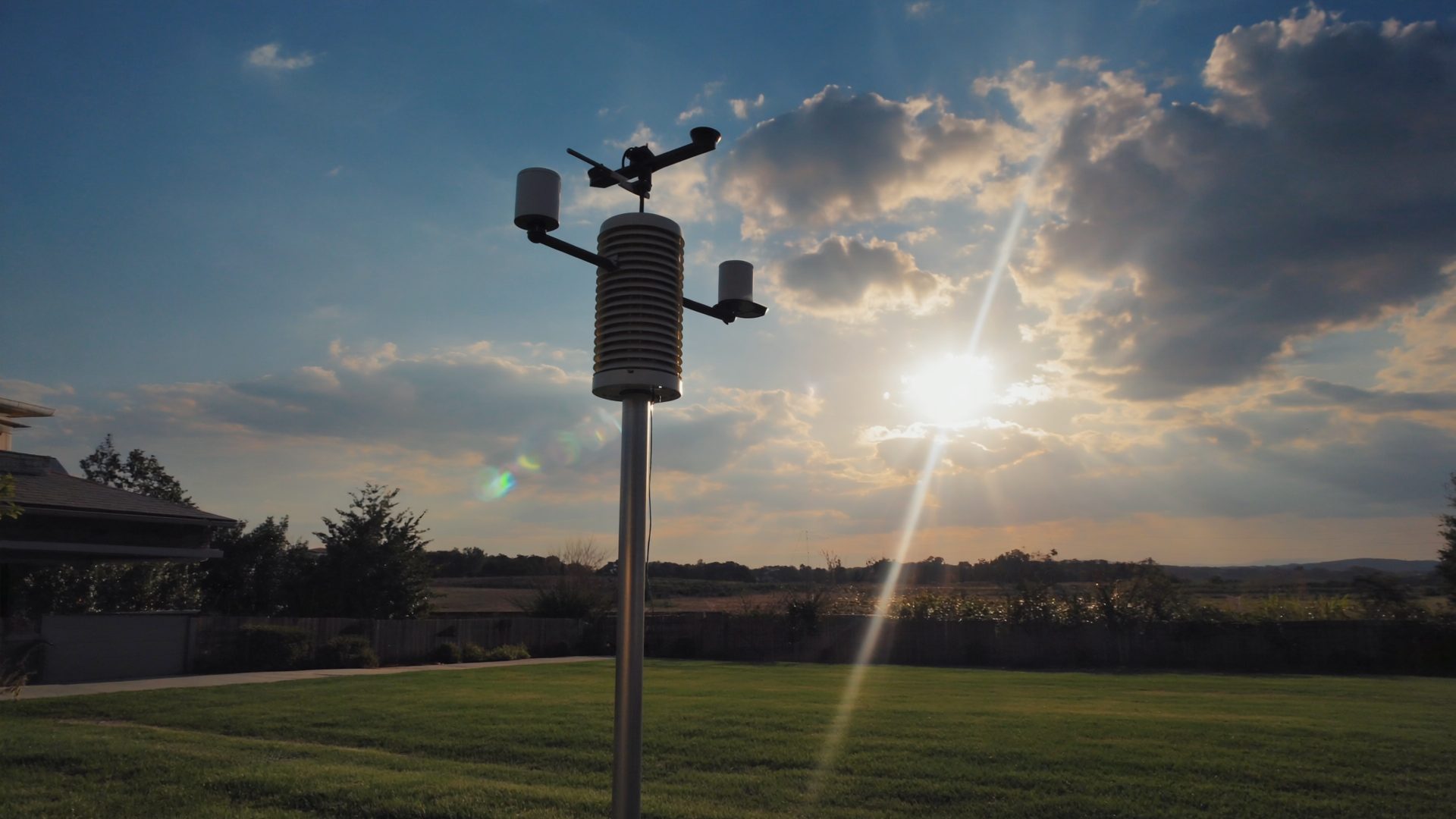
A home weather station replaces generic airport-based forecasts with hyperlocal data from your own property. The temperature in your garden, the rainfall in your neighborhood, the wind speed at your roofline. For storm preparedness, gardening, energy management, and general weather awareness, a personal weather station is one of the most practical tech investments you can make. Remote workers can monitor approaching storms right from their desk -- see WorkSpace for home office setups that integrate weather awareness. This buyer's guide covers what to look for, how to choose, and our recommendations at every price point for 2026.
What Every Weather Station Measures
Core Sensors
- Temperature: Measured by a thermistor inside a radiation shield. Accuracy ranges from plus or minus 1 degree F (Davis, Ambient WS-5000) to plus or minus 2 degrees F (budget models). Fan-aspirated shields are most accurate in direct sun.
- Humidity: Capacitive sensors measure relative humidity. Accuracy typically plus or minus 2-5%. Degrades over 3-5 years; some brands offer replaceable humidity sensors.
- Barometric Pressure: Measured by the indoor console or outdoor unit. Critical for weather trend prediction. A drop of 0.06 inHg/hour or more typically signals approaching storms.
- Wind Speed and Direction: Mechanical (cup anemometer) or ultrasonic. Ultrasonic sensors (WS-5000, Tempest) are more accurate at low speeds and have no moving parts to wear out.
- Rainfall: Tipping-bucket (most common) or haptic (Tempest). Tipping-bucket gauges are more proven but require periodic cleaning. Haptic requires software calibration.
Advanced Sensors (Premium Models)
- UV Index: Measures ultraviolet radiation intensity. Useful for outdoor activity planning and garden management.
- Solar Radiation: Measures total solar energy in watts per square meter. Valuable for solar panel owners and agriculture.
- Lightning Detection: AcuRite Atlas and Tempest include built-in lightning detectors that estimate strike distance and count.
- Soil Moisture/Temperature: Available as add-on sensors from Ambient Weather. Essential for serious gardeners.
Our Picks by Budget
Budget (Under $200): Ambient Weather WS-2902
The Ambient Weather WS-2902 remains the best entry-level weather station available. At roughly $190, it includes temperature, humidity, barometric pressure, wind, rain, UV, and solar radiation sensors with Wi-Fi connectivity and uploads to Weather Underground, AmbientWeather.net, and other platforms. The color LCD console is readable from across a room.
- Best value in weather stations for 6+ years running
- Solar-powered outdoor unit with battery backup
- Smart home integration (IFTTT, Google Home)
- Uploads to multiple weather networks
Mid-Range ($200-400): AcuRite Atlas or Davis Vantage Vue
The AcuRite Atlas ($230-280) offers the best display in this range plus built-in lightning detection. The Davis Vantage Vue ($350-400, plus $130 for WeatherLink hub) wins on build quality and long-term reliability. Choose Atlas for the display and lightning detection, or Davis for durability that outlasts everything else.
Premium ($400-600): Ambient Weather WS-5000
The Ambient Weather WS-5000 ($450-500) is our top overall recommendation. The ultrasonic anemometer eliminates moving parts for wind measurement, the fan-aspirated radiation shield provides true ambient temperature, and the TFT color display is intuitive. Supports up to 8 additional sensors. Read our full WS-5000 review.
Professional ($500+): Davis Vantage Pro2
The Davis Vantage Pro2 with fan-aspirated radiation shield ($600-750) is the choice for research-grade home data. Used by citizen science networks, agricultural operations, and serious weather enthusiasts. See our Davis Vantage Pro2 review.
Most Innovative: WeatherFlow Tempest
The WeatherFlow Tempest ($330-360) has zero moving parts, runs entirely on solar power, and includes built-in lightning detection. No physical console; all data through the app. Best for tech-forward users who want maintenance-free operation. Read our Tempest review.
Data Platforms Compared
| Platform | Compatible Stations | Free Tier | Data Export | API Access |
|---|---|---|---|---|
| AmbientWeather.net | Ambient Weather | Full | CSV | Yes (free) |
| Weather Underground | Most brands | Full | Limited | Yes |
| Davis WeatherLink | Davis only | Basic | CSV (Pro) | Yes (Pro) |
| WeatherFlow App | Tempest only | Full | API only | Yes (free) |
| My AcuRite | AcuRite only | 30-min intervals | Premium | No |
Installation and Placement Guide
Outdoor Sensor Placement
- Height: Mount at least 5 feet above the roofline for accurate wind readings. Ground-level mounting produces unreliable wind data due to turbulence from structures.
- Distance from structures: Keep sensors at least 10 feet from HVAC exhaust, chimneys, and large heat-absorbing surfaces (dark roofs, walls).
- Open exposure: Avoid locations shadowed by trees or buildings, which affect solar radiation and rain catch.
- Mounting: Use a quality mounting pole with guy wires for stability in high winds.
Calibration
- Temperature: Compare to a trusted reference thermometer in shade. Most stations allow offset adjustment.
- Rain gauge: Verify with a manual gauge during a few rain events. Adjust the calibration factor if needed.
- Barometric pressure: Set the station's elevation and compare to the nearest airport METAR report. Adjust the offset until they match.
Weather Stations for Storm Preparedness
A weather station is not just a hobby gadget; it is a preparedness tool. Here is how it contributes to storm readiness:
- Barometric pressure trends: A rapidly falling barometer is the earliest local indicator of approaching severe weather. Set pressure drop alerts on your station.
- Wind speed monitoring: Know when wind speeds reach dangerous levels before you hear about it on the news. Set alerts at 40+ mph.
- Rainfall accumulation: Track actual rainfall at your location to assess flood risk. Your backyard may receive significantly more or less rain than the nearest official gauge.
- Lightning detection: Stations with built-in lightning detection (Tempest, AcuRite Atlas) provide real-time strike distance and count.
Pair your weather station with a NOAA weather radio for official alerts and a complete emergency plan for the best possible storm readiness.
Final Recommendation
For most homeowners, the Ambient Weather WS-5000 offers the best combination of accuracy, features, and value. If you are on a budget, the WS-2902 delivers remarkable capability at $190. If long-term reliability matters most, the Davis Vantage Vue is built to last a decade.
For setup guidance, see our first weather station setup guide and data interpretation guide for beginners. Monitoring bedroom temperature and humidity with your station's indoor sensors can also improve sleep quality -- RestWell has guides on optimal sleep environment conditions.
★ Recommended Reading & Gear
- The Weather Observer's Handbook — Comprehensive guide to weather measurement, sensor placement, and data quality; used by citizen scientists
- Eric Sloane's Weather Book — Classic illustrated guide to reading skies, pressure trends, and cloud formations; pairs perfectly with station data
- Ambient Weather WS-2902 — Best entry-level station with Wi-Fi, solar-powered sensors, and Weather Underground uploads ($170–$190)
Frequently Asked Questions
Where should I place my outdoor weather station sensors?
Mount the sensor suite at least 5 feet above the highest point of your roof, away from HVAC exhaust, chimneys, and reflective surfaces. The WMO standard is 5 feet above ground in an open field, but for residential use, rooftop mounting provides the best wind exposure and reduces ground-level heat contamination.
What is the difference between a weather station and a thermometer?
A thermometer measures only temperature (and sometimes humidity). A weather station measures temperature, humidity, barometric pressure, wind speed and direction, rainfall, and often UV index and solar radiation. Weather stations also connect to the internet for data logging, sharing, and remote access via apps.
Can a home weather station predict storms?
Home weather stations measure current conditions, not forecasts. However, a rapidly dropping barometric pressure trend strongly indicates approaching severe weather. Many stations include basic forecast icons based on pressure trends. For actual storm prediction, pair your station with NOAA weather alerts and a quality weather radio.
How accurate are home weather stations compared to official stations?
Quality home weather stations from Ambient Weather, Davis, and Tempest achieve temperature accuracy within 1-2 degrees Fahrenheit and barometric pressure within 0.01 inHg of NOAA reference stations. Placement matters more than brand -- mount sensors in a shaded, ventilated location away from buildings and concrete for best results.
Do home weather stations need Wi-Fi to work?
No. Home weather stations measure and display weather data locally on the console without Wi-Fi. However, Wi-Fi is required for uploading data to online platforms like Weather Underground, receiving remote app access on your phone, and integrating with smart home systems. If your internet goes down, the station continues recording data locally.
Explore More Reviews
- Best Kids Outdoor Toys 2026 on KidGearPro
- Best Air Purifiers for Home Office on DeskSetupPro
- Best Cooling Sheets for Summer on RestWell