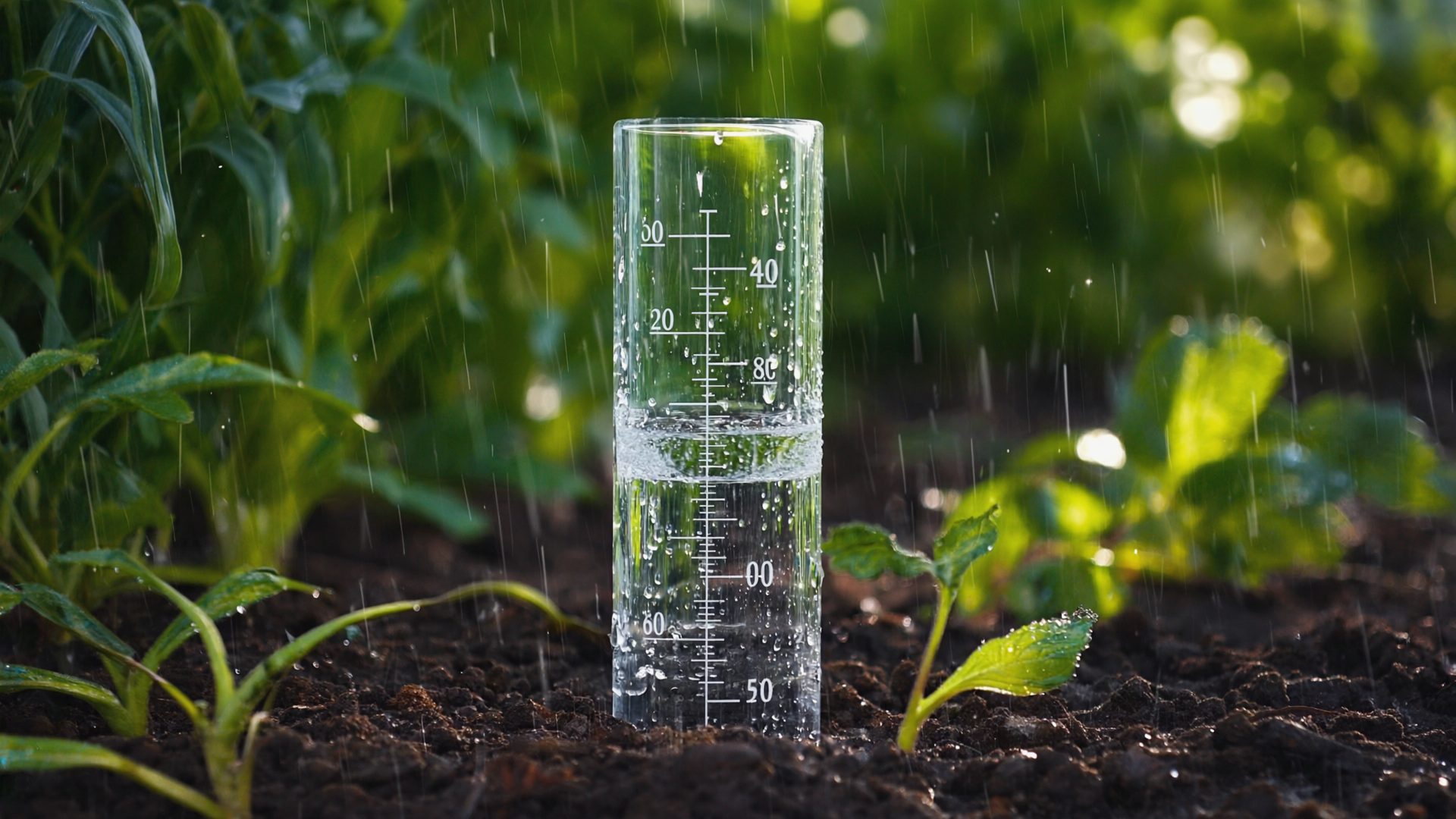
Baton Rouge averages around 62 inches of rain per year. New Orleans gets about 64 inches. That is roughly double the national average, and it does not fall gently — Gulf Coast rain comes in walls. If the sound of heavy rain helps you unwind, you might also enjoy a white noise machine for better sleep. But when it comes to tracking precipitation, a good rain gauge needs to handle these deluges accurately, resist UV degradation, and not become a mosquito breeding pool. Here are the best options across every budget and technology. Learn more in our Best Rain Gauges: 7 Compared.
Types of Rain Gauges
Manual/wedge gauges are the classic clear cylinder with graduated markings. You read them yourself and empty after each rain event. They are cheap, reliable, and have no batteries to die. The CoCoRaHS network, which supplies critical data to the National Weather Service, uses a standardized manual gauge.
Tipping-bucket gauges use a small see-saw mechanism that tips and records each 0.01″ increment. They pair with weather station consoles or standalone displays. They are the most common type in personal weather stations but can under-count during extreme rainfall rates.
Weighing/capacitive gauges measure the weight or water level continuously. They handle heavy rain better than tipping buckets but are more expensive and typically found in professional installations.
Our Top Picks
1. Stratus Precision Rain Gauge — Best Manual Gauge ($30–$40)
This is the gauge used by the CoCoRaHS volunteer network. The inner measuring tube reads to 0.01″ for the first inch of rain, then the outer cylinder catches up to 11 inches total. It is made in the USA from UV-resistant polycarbonate and includes a mounting bracket for post or fence installation.
For Gulf Coast users, the 11-inch capacity is important. Standard cheap gauges max out at 5–6 inches — not enough for a serious tropical downpour. The Stratus handles all but the most extreme events without overflowing.
Pros
- 0.01″ precision in inner tube
- 11-inch total capacity
- No batteries, no connectivity issues
- CoCoRaHS standard
Cons
- Requires manual reading and emptying
- No data logging
- Can blow off mount in high winds if not secured
2. AcuRite 01089M Rain Gauge — Best Wireless ($25–$35)
A self-emptying tipping-bucket gauge that transmits wirelessly to a small indoor display. It reports rainfall in 0.01″ increments and tracks daily, weekly, and total accumulation. The display is basic but functional, and setup takes about 10 minutes.
At under $35, this is the easiest way to get wireless rain data without buying a full weather station. The tipping mechanism can undercount during very heavy rain (above 4″/hour), but for typical Gulf Coast afternoon thunderstorms it tracks within 10% of our manual reference. For related information, see our Best Lightning Detectors for Home Use — StormReady.
Pros
- Affordable wireless monitoring
- Self-emptying design
- Indoor display with totals
- Easy installation
Cons
- Undercounts in extreme downpours
- No Wi-Fi or app connectivity
- Funnel needs periodic cleaning
3. Ecowitt WH40 — Best for Weather Station Integration ($30–$40)
If you already own an Ecowitt console or GW1000/GW2000 gateway, the WH40 is a standalone tipping-bucket gauge that integrates seamlessly into your existing sensor network. It reports wirelessly at 868/915 MHz and shows up automatically on your console and the Ecowitt app.
Build quality is good for the price, with a decent-sized funnel and a filter screen to keep debris out. Like all tipping-bucket designs, it needs occasional cleaning — especially during pollen season in Louisiana when the funnel can clog in days.
Pros
- Integrates with Ecowitt ecosystem
- Data logging and app access
- Debris filter included
- Affordable
Cons
- Requires Ecowitt console or gateway
- Standard tipping-bucket limitations
- Pollen clogs funnel quickly
4. Davis 6465 AeroCone Rain Collector — Best Accuracy ($80–$100)
Davis designed the AeroCone funnel shape to counteract wind-induced errors that affect all rain gauges. In side-by-side testing, it consistently read 5–8% higher than a standard flat-funnel gauge during windy storms, which is closer to the true rainfall. The tipping bucket is precision-machined and self-emptying.
This is a replacement or add-on collector for Davis stations, not a standalone unit. You need a Davis Vantage Vue or Pro2 console. But if you are serious about rainfall accuracy — important for gardeners, farmers, and flood-zone residents on the Gulf Coast — this is the gold standard for consumer gauges.
Pros
- AeroCone design reduces wind error
- Precision-machined tipping mechanism
- Davis ecosystem integration
- Proven long-term durability
Cons
- Requires Davis station
- Expensive for a rain gauge
- Still a tipping bucket (heavy rain limitations)
5. Ambient Weather WS-5000 Haptic Rain Sensor — Most Innovative
Included with the WS-5000 station (not sold separately), this sensor detects rain impacts on a flat surface using vibration sensing rather than mechanical collection. It never clogs, never needs emptying, and never breeds mosquitoes. The trade-off: it can over-report in heavy rain as splash impacts register as additional drops. During our research, it read about 15% high during a 2″/hour storm but matched our reference gauge well during moderate rain.
Placement Tips for Gulf Coast
- Height: Mount the gauge opening 3–5 feet above ground. Higher placements catch more wind turbulence, lower placements catch splash from the ground.
- Distance from obstacles: Keep at least twice the height of the nearest tree or building away. In a typical Louisiana yard, this means away from the house and clear of live oaks.
- Level it: A tilted gauge reads wrong. Use a bubble level during installation.
- Clean monthly: Pollen, leaves, and insects will clog any funnel. In spring, check weekly.
- Mosquito prevention: Manual gauges should be emptied within 24 hours of a rain event. Self-emptying tipping buckets help, but still inspect for standing water in the funnel.
★ Recommended Reading & Gear
- Rainwater Harvesting for Drylands and Beyond — Master rainwater collection and understand precipitation patterns on your property
- The Old Farmer's Almanac Weather Notebook — Daily weather log journal for tracking your rain gauge readings over time
- Stratus Precision Rain Gauge Mounting Bracket — Sturdy post mount for your CoCoRaHS rain gauge ($12–$18)
Bottom Line
For most people, the AcuRite 01089M ($25–$35) provides wireless rain tracking at a price that is hard to argue with. Serious weather enthusiasts should pair a Stratus Precision manual gauge ($30–$40) with their digital station for calibration reference. If you are already in the Davis ecosystem, the AeroCone collector is a worthwhile accuracy upgrade.
Frequently Asked Questions
What is the most accurate rain gauge for home use?
The Davis 6465 AeroCone Rain Collector is the most accurate consumer rain gauge, with an aerodynamic funnel design that reduces wind-induced measurement errors by 5-8% compared to standard gauges.
How do I get accurate rainfall measurements?
Mount the gauge 3-5 feet above ground in an open area, away from trees and buildings. Keep it level using a bubble level. Clean the funnel monthly to prevent debris clogs, and empty manual gauges within 24 hours to prevent mosquito breeding.
Do tipping bucket rain gauges work in heavy rain?
Tipping buckets can undercount during very heavy rainfall above 3-4 inches per hour because the mechanism cannot tip fast enough. They are accurate for typical rain events and are the most common type in personal weather stations.
What rain gauge does the National Weather Service use?
The CoCoRaHS volunteer network, which supplies critical data to the NWS, uses the Stratus Precision Rain Gauge. It reads to 0.01 inches precision and has an 11-inch total capacity for handling Gulf Coast deluges.
How often should I clean my rain gauge?
Clean your rain gauge funnel at least once a month, and weekly during spring pollen season or fall leaf drop. Debris, insects, and pollen can clog the funnel or tipping mechanism, causing inaccurate readings. A pipe cleaner and warm water are usually all you need.
Explore More Reviews
- Best Kids Outdoor Toys 2026 on KidGearPro
- Best Air Purifiers for Home Office on DeskSetupPro
- Best Cooling Sheets for Summer on RestWell